





 Russian
 English
 Spanish
 German
 Italian
 French
 Portuguese


Silt and other soft soils often present significant challenges in construction projects. Their high moisture content, low bearing capacity, and poor shear strength can make it difficult to build stable roads, foundations, and other infrastructure.
Traditional soil treatment methods may require excavation, transportation, replacement, and backfilling, increasing construction time and costs.
A СИСТЕМА СТАБИЛИЗАЦИИ ГРУНТА offers an alternative solution by treating soft soil directly on-site. Through the physical and chemical reactions between a soil solidifying agent and the original soil, the system transforms unstable silt into a stronger and more stable foundation material.
But how does this process work? What role does the mixing equipment play, and why is wet slurry solidifying agent preferred in certain applications?
Let’s explore the working principle of a soil stabilization system.
1. What Is a Soil Stabilization System?
A soil stabilization system is an integrated engineering solution designed to improve the physical and mechanical properties of soft soil through in-situ solidification.
It is particularly suitable for challenging ground conditions involving:
- Silt and muddy soil
- Dredged sediment
- Marsh and swamp soil
- Soft clay
- Tidal flat soil
- Construction sludge
The system typically consists of three main components:
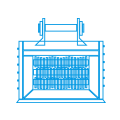
- Storage Bins: Store the raw materials used to prepare the soil solidifying agent.
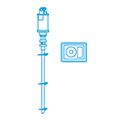
- Control Center: Controls the preparation, mixing, and delivery of the solidifying agent according to preset proportions.
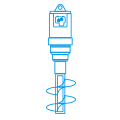
- Power Mixer: Mixes the solidifying agent thoroughly with the soft soil to achieve uniform solidification.
Working together with an excavator, these components allow the solidifying agent to be delivered directly into the soil and mixed on-site.
For more information about the equipment configuration and technical features, visit our СИСТЕМА СТАБИЛИЗАЦИИ ГРУНТА product page.

2. How Does a Soil Stabilization System Solidify Silt?
The working principle of a soil stabilization system is based on a series of physical and chemical reactions between the solidifying agent and soft soil.
The process can be divided into three main stages.
2.1 Preparation and Delivery of the Soil Solidifying Agent
The first step is preparing the solidifying agent.
Common raw materials include:
- Cement powder
- Mineral powder
- Fly ash
- Slag and other suitable binding materials
These materials are blended according to a specific formulation to produce a solidifying agent suitable for the target soil conditions.
The control center manages the preparation and delivery process, ensuring that the solidifying agent is supplied to the power mixer at the required rate and proportion.
The formulation should be selected according to the soil characteristics and project requirements to achieve effective solidification.
2.2 Mixing the Solidifying Agent with Silt
The power mixer plays a critical role in the soil stabilization process.
Installed on an excavator, the mixer penetrates the soft soil and rotates at a controlled speed to distribute the solidifying agent throughout the treatment area.
During mixing, the solidifying agent interacts with the water and soil particles through physical and chemical reactions.
One important effect is the reduction of free water in the soil. A significant amount of free water can be bound within the developing solidified structure in the form of crystalline water.
At the same time, soil particles begin to aggregate, changing the original soil structure and improving its engineering properties.
Uniform mixing is essential because uneven distribution of the solidifying agent may lead to inconsistent treatment results.
2.3 Formation of a Stable Soil Structure
After the solidifying agent has been thoroughly mixed with the silt, further physical and chemical reactions occur.
The soil particles tend to form larger aggregates, while the volume of the solidified material increases and helps fill existing soil pores.
This process changes the original loose and water-rich soil structure.
Under subsequent compaction, the treated soil develops a more compact and stable structure.
As a result, its engineering properties can be improved, including:
- Soil strength
- Shear strength
- Compaction performance
- Foundation stability
The treated soil can then serve as a more suitable foundation material for subsequent construction activities.
3. Why Is the Power Mixer Important in Soil Stabilization?
The power mixer is one of the most important components of a soil stabilization system because it directly determines how effectively the solidifying agent interacts with the original soil.
Unlike surface-level treatment, the mixer penetrates the soft soil and distributes the solidifying agent throughout the required treatment depth.
Its main functions include:
Uniform Mixing
The rotating mixing blades help distribute the solidifying agent evenly throughout the soil, reducing untreated areas and improving treatment consistency.
Deep Soil Treatment
The mixer can penetrate deep into soft soil, allowing in-situ treatment without requiring the entire soil layer to be excavated.
Improved Treatment Efficiency
Mounted on a conventional excavator, the power mixer combines excavation equipment mobility with soil mixing capabilities.
The mixing blades can also be selected according to different soil conditions and moisture contents.
Learn more about the Силовой смеситель and its role in the YICHEN soil stabilization solution.
4. Why Choose Wet Slurry Solidifying Agent Instead of Dry Powder?
The selection of a suitable solidifying agent is another important factor affecting soil stabilization performance.
Traditional dry powder solidifying agents are delivered in powder form. During transportation, storage, and application, they may generate dust, particularly in dry or windy working environments.
YICHEN’s soil stabilization system uses wet slurry solidifying agent technology to improve the treatment process.
Compared with dry powder application, wet slurry solidifying agents offer several advantages.
Better Permeability and Mixing Performance
The slurry form allows the solidifying agent to be distributed through the soil during mechanical mixing, helping achieve more uniform treatment.
More Accurate Dosage Control
The slurry delivery system allows the quantity of solidifying agent to be controlled according to preset requirements, improving the accuracy and consistency of the application process.
Reduced Dust Pollution
Because the solidifying agent is delivered in slurry form, dust generated during handling and application can be reduced.
This helps create a cleaner working environment and reduces potential dust exposure for construction personnel.
For projects requiring efficient and controlled soft soil treatment, wet slurry technology provides an important advantage.
5. What Are the Main Applications of Silt Solidification Technology?
Soil stabilization technology is suitable for a wide range of civil engineering and environmental projects involving weak or unstable ground.
Common applications include:
Roadbed and Highway Construction
Soft soil beneath roads can lead to settlement and deformation. In-situ solidification improves the properties of the existing soil, helping create a more stable road foundation.
Swamp and Marsh Soil Treatment
Swamp areas often contain high-moisture soil with insufficient bearing capacity. Soil stabilization systems can treat the soil directly on-site without the need for extensive excavation and transportation.
River Silt and Dredged Sediment Treatment
River silt and dredged materials can be difficult to handle because of their high water content. Solidification technology helps transform these materials into more stable engineering materials.
Bridge and Foundation Construction
Soft ground around bridge foundations and other infrastructure projects may require treatment before construction. In-situ soil solidification can improve ground conditions and support subsequent engineering work.
Contaminated Soil Remediation
In addition to improving soil strength, specially selected solidifying agents can be used in contaminated soil treatment projects.
Узнайте больше о Soft Soil Solidification и Contaminated Soil Remediation by YICHEN.
6. What Are the Advantages of the YICHEN Soil Stabilization System?
YICHEN provides an integrated soil stabilization solution designed for soft soil treatment and in-situ solidification.
Its main advantages include:
- In-Situ Treatment: Treats soft soil directly at the construction site, reducing the need for excavation and transportation.
- Deep Solidification: The system’s treatment depth can reach up to 11 meters, depending on project conditions and configuration.
- High Processing Capacity: The published product specifications indicate a solidification capacity of up to 1,600 cubic meters per day.
- Intelligent Control: The control center manages solidifying agent preparation and delivery.
- Flexible Mixing Options: Different mixing blades can be selected to accommodate different soil conditions.
- Reduced Dust Pollution: Wet slurry solidifying agent technology helps minimize dust generated during application.
These features make the system suitable for road construction, foundation treatment, dredged sediment management, and other soft soil engineering projects.
Explore the YICHEN Soil Stabilization System to learn more about its configuration, working principle, and applications.
7. Frequently Asked Questions About Silt Stabilization
Q1: How does a soil stabilization system solidify silt?
A soil stabilization system solidifies silt through physical and chemical reactions between the soil and a specially formulated solidifying agent. Mechanical mixing helps distribute the agent throughout the soil, allowing the soil particles to aggregate and form a more stable structure.
Q2: What materials are used in soil solidifying agents?
Common raw materials include cement powder, mineral powder, fly ash, and slag. The formulation should be selected according to the soil characteristics and engineering requirements.
Q3: Why is wet slurry solidifying agent used?
Wet slurry solidifying agents offer advantages in mixing, permeability, dosage control, and dust reduction compared with conventional dry powder application.
Q4: Can a soil stabilization system treat deep soft soil?
Yes. YICHEN’s published product specifications indicate that its soil stabilization system can achieve a treatment depth of up to 11 meters. Actual treatment depth depends on soil conditions and equipment configuration.
Q5: What types of soil can be treated?
The system is designed for various soft and difficult soil materials, including silt, clay, peat, sludge, sediment, and dredged materials. The appropriate solidifying agent and mixing configuration should be determined based on the specific project.
Заключение
The principle of a soil stabilization system is to improve the engineering properties of soft soil through the combined effects of solidifying agents, mechanical mixing, and physical and chemical reactions.
By binding free water, promoting soil particle aggregation, and forming a more compact structure after compaction, the system transforms weak silt into a more stable foundation material.
With its in-situ treatment capability, controlled wet slurry delivery, and flexible mixing equipment, the YICHEN Soil Stabilization System provides an effective solution for challenging soft soil engineering projects.
Looking for a reliable solution for silt solidification or soft soil treatment?
КОНТАКТЫ YICHEN to discuss your project requirements and explore a suitable soil stabilization solution.


